Should I repair or replace my garage door? You should repair your garage door if the problem is minor and low cost, but you should replace it if the door is unsafe, outdated, or keeps breaking.
That choice depends on damage, age, safety, and repair cost.
Many homeowners struggle with this decision. A garage door is used every day. When it fails, you need a clear answer fast.
Based on my 10+ years of experience in garage door repair in Miami and South Florida, I will explain how to decide without guessing.
Quick Repair vs Replace Checklist
Use this checklist to decide fast: Repair if:- The door is under 15 years old
- Damage is minor
- Repairs are rare
- The door is safe
- The door is old
- Repairs are frequent
- Safety is a concern
- Panels or frames are damaged
When Garage Door Repair Makes Sense
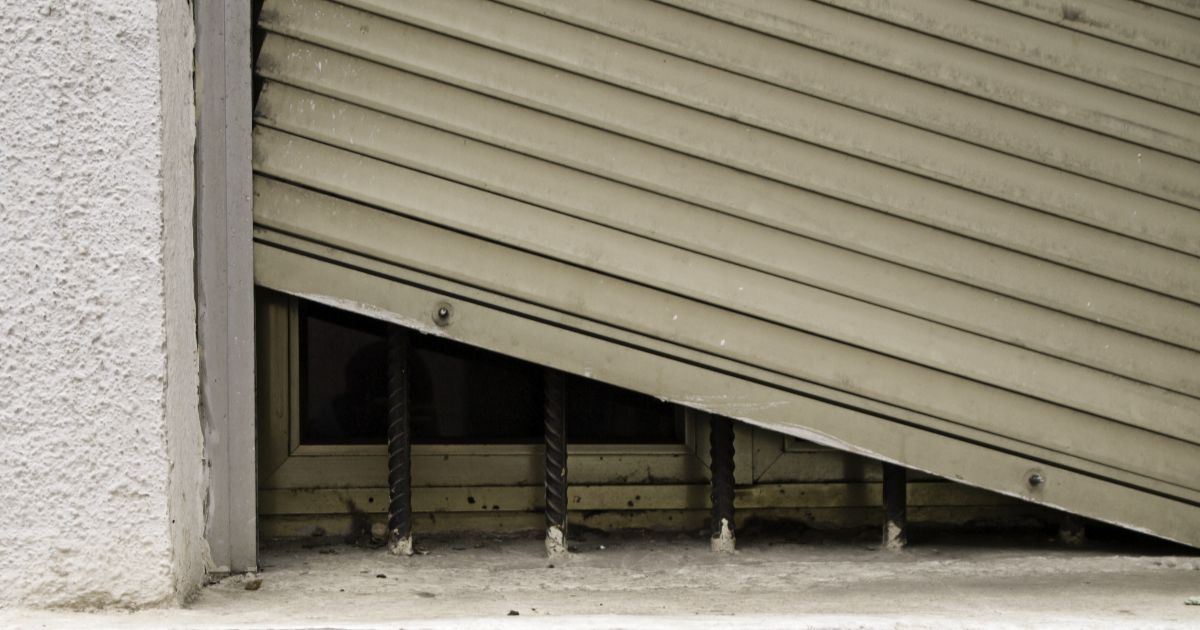
You should repair a garage door when the damage is minor and the door structure is still solid. Many garage door problems are simple fixes. Common repair situations include:- Broken springs
- Worn rollers
- Loose cables
- Bent tracks
- Sensor issues
Cost Comparison: Repair vs Replacement
Cost is a big factor. Most basic repairs cost much less than a full replacement. A spring or roller repair is far cheaper than a new door. Replacement costs more upfront. It includes the door, labor, and sometimes a new opener. Use this simple rule:- One-time repair → repair
- Repeated repairs → replace
Age Factor
Garage doors do not last forever. Most residential garage doors last 15 to 30 years. Age affects strength, safety, and insulation. Older doors often:- Lack modern safety features
- Have poor insulation
- Break down more often
Safety
Garage doors are heavy. A failing door can cause injury or damage. Signs of safety risk include:- Loud snapping or popping sounds
- Uneven lifting
- Door slamming shut
- Frayed cables
Structural Damage vs Surface Damage
Not all damage is equal. Surface damage includes:- Small dents
- Paint damage
- Minor panel issues
- Cracked panels
- Warped sections
- Rusted frames
Appearance and Home Value
Garage doors affect curb appeal. Replacing a damaged door improves curb appeal and value. Replacement makes sense if:- Panels do not match
- The door looks outdated
- The finish cannot be restored